
Testa e cuore vs megapixels
Head and Heart Vs Megapixels

Una veglia per l’Iran in Piazza Duomo con una Canon del 2006.
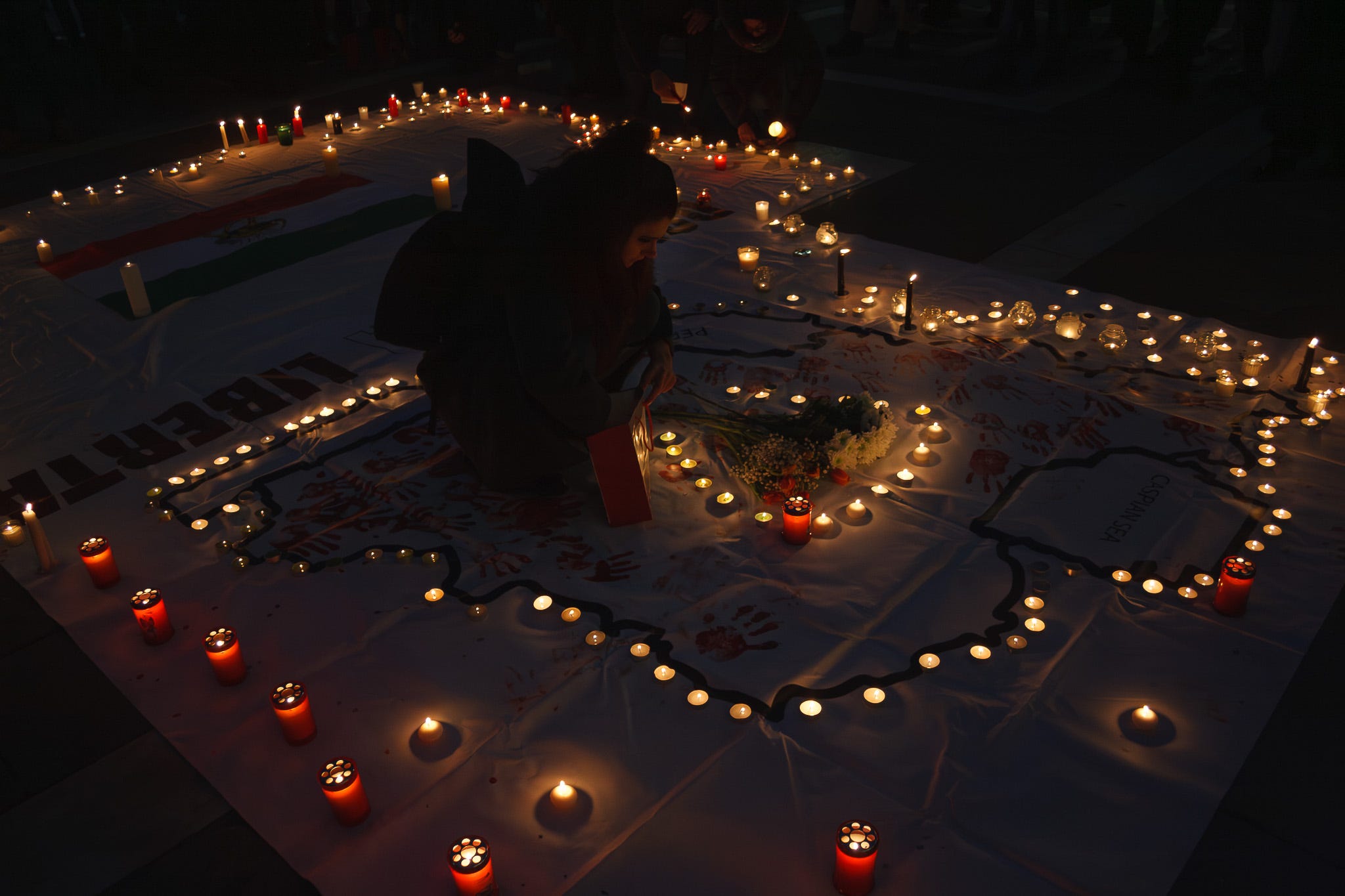
Alle cinque del pomeriggio la luce ha iniziato a svanire proprio quando la piazza cominciava a riempirsi, le prime candele sono apparse timide, poi sempre più fitte, fino a disegnare una mappa luminosa stesa a terra davanti al Duomo.
Un paese lontano, ferito, ricostruito con fiammelle instabili in uno dei luoghi più fotografati d’Europa, io ero lì con una fotocamera del 2006, una Canon 30D, e il suo 18–55 di kit, niente funzioni smart o IA, niente mirabolanti valori ISO, solo l’ostinazione di voler raccontare quella veglia con uno strumento vecchio, ma ancora capace di vedere.
ENG
A vigil for Iran in Piazza Duomo with a 2006 Canon
At five in the afternoon, the light began to fade just as the square started to fill, the first candles appeared shy, then denser and denser, until they formed a luminous map laid on the ground in front of the Duomo, a distant, wounded country, rebuilt with unsteady flames in one of the most photographed places in Europe.
I was there with a 2006 camera, a Canon 30D and its 18–55 kit lens, no fancy features or AI, no spectacular high ISO, just the stubborn wish to document that vigil with an old tool that could still see.
Quando il sole è scomparso del tutto, mi sono reso conto che la vera sfida della serata sarebbe stata la luce, o meglio la sua assenza.
Il Duomo brillava come sempre, sovraesposto e perfetto, mentre le persone che si raccoglievano in silenzio restavano un passo indietro, quasi inghiottite dal buio. Ho scelto di fare una cosa che oggi sembra quasi una provocazione, misurare la luce sulle candele, lavorare in spot metering e accettare che il resto potesse affondare nelle ombre. Volevo che fossero le fiammelle, i display dei telefoni, i lampioni, a dettare il ritmo delle esposizioni.
ENG
When the sun disappeared completely, I realised that the real challenge of the evening would be the light, or rather its absence. The Duomo shone as always, overexposed and perfect, while the people gathering in silence remained one step behind, almost swallowed by the darkness. I chose to do something that today almost feels like a provocation, meter on the candles, work in spot metering and accept that everything else could sink into shadow. I wanted the tiny flames, phone screens and streetlights, to dictate the pace of my exposures.
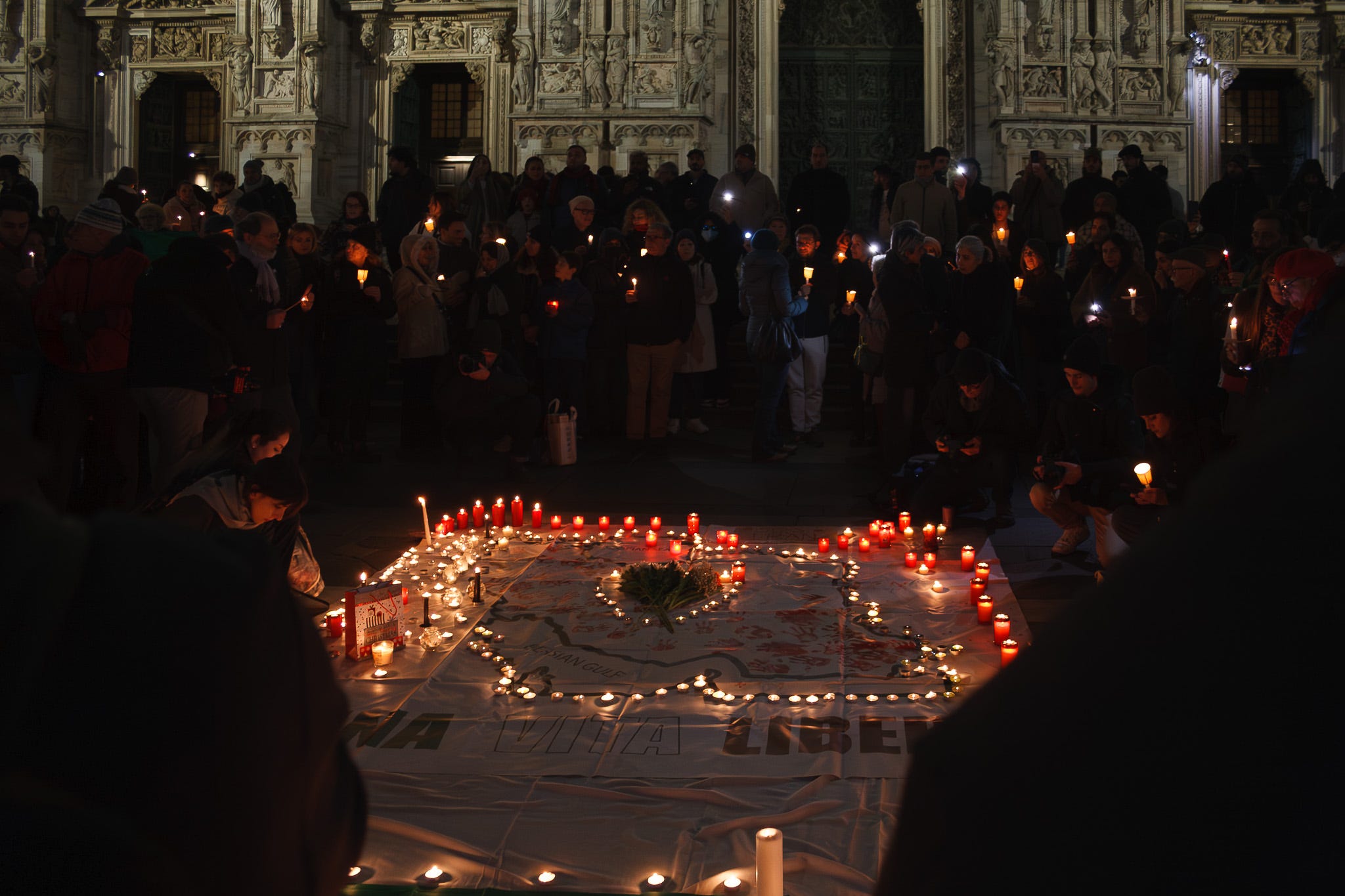
Scattare con una lente “buia” in mezzo a una folla in movimento significa soprattutto rinunciare alle comodità. Tempi troppo lunghi avrebbero trasformato la veglia in una scia di fantasmi, troppo corti avrebbero imposto ISO ingestibili per un sensore del 2006. Mi sono assestato su tempi sufficientemente rapidi da congelare i gesti, un fiammifero che si spegne, una candela che passa di mano, una persona che si inginocchia, accettando che la macchina, in cambio, mi chiedesse margine di errore zero sulla composizione. Non potevo scattare “a raffica e poi vediamo”, ogni inquadratura doveva essere pensata prima di premere il pulsante.
ENG
Shooting with a “slow” lens in the middle of a moving crowd mostly means giving up comfort. Shutter speeds that were too long would have turned the vigil into a trail of ghosts, while faster ones would have forced unmanageable ISO values for a 2006 sensor. I settled on shutter speeds just fast enough to freeze gestures, a match going out, a candle changing hands, someone kneeling, accepting that the camera, in return, demanded zero margin for compositional error. I couldn’t just “spray and pray”, every frame had to be thought through before pressing the shutter.
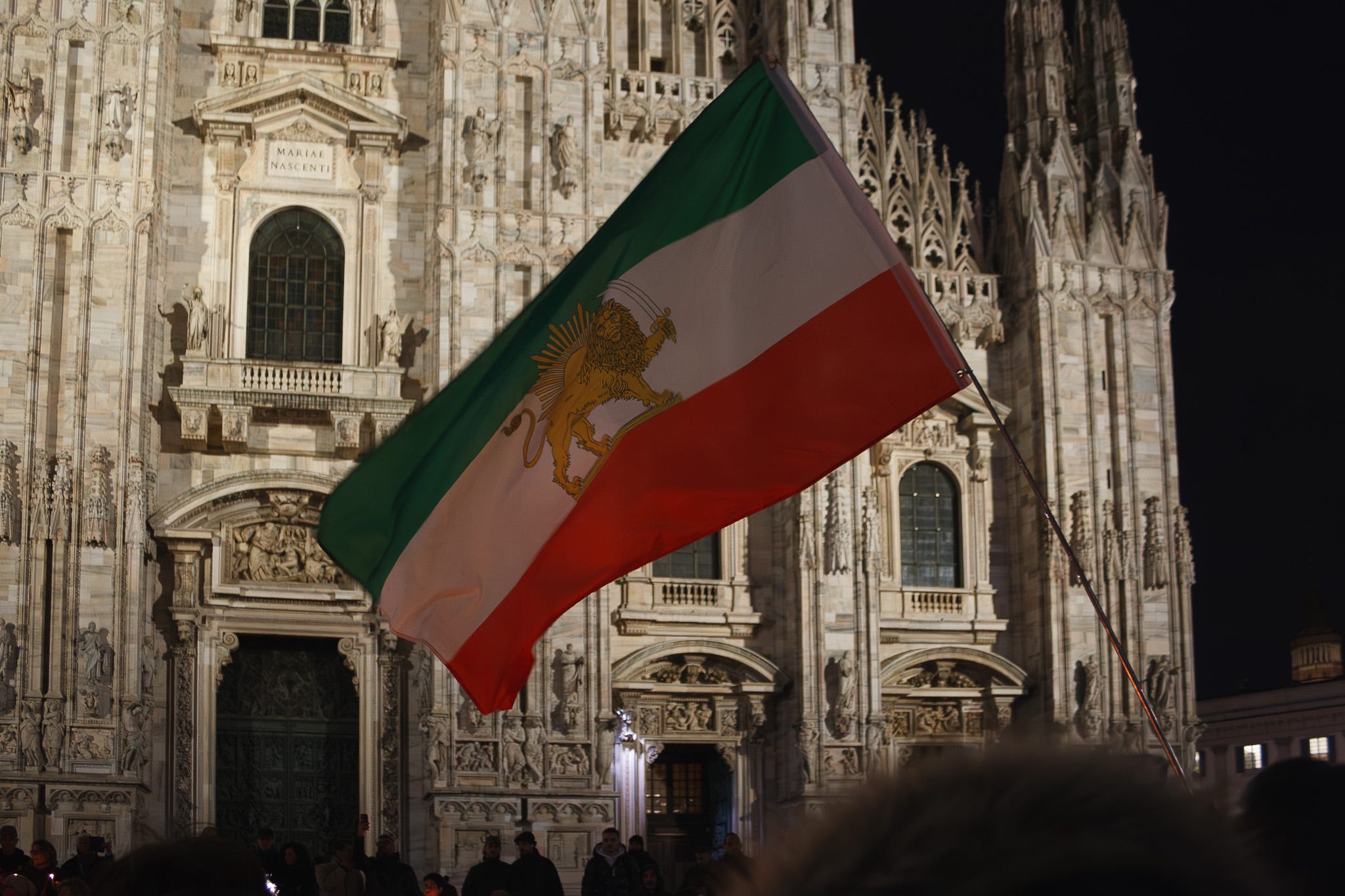
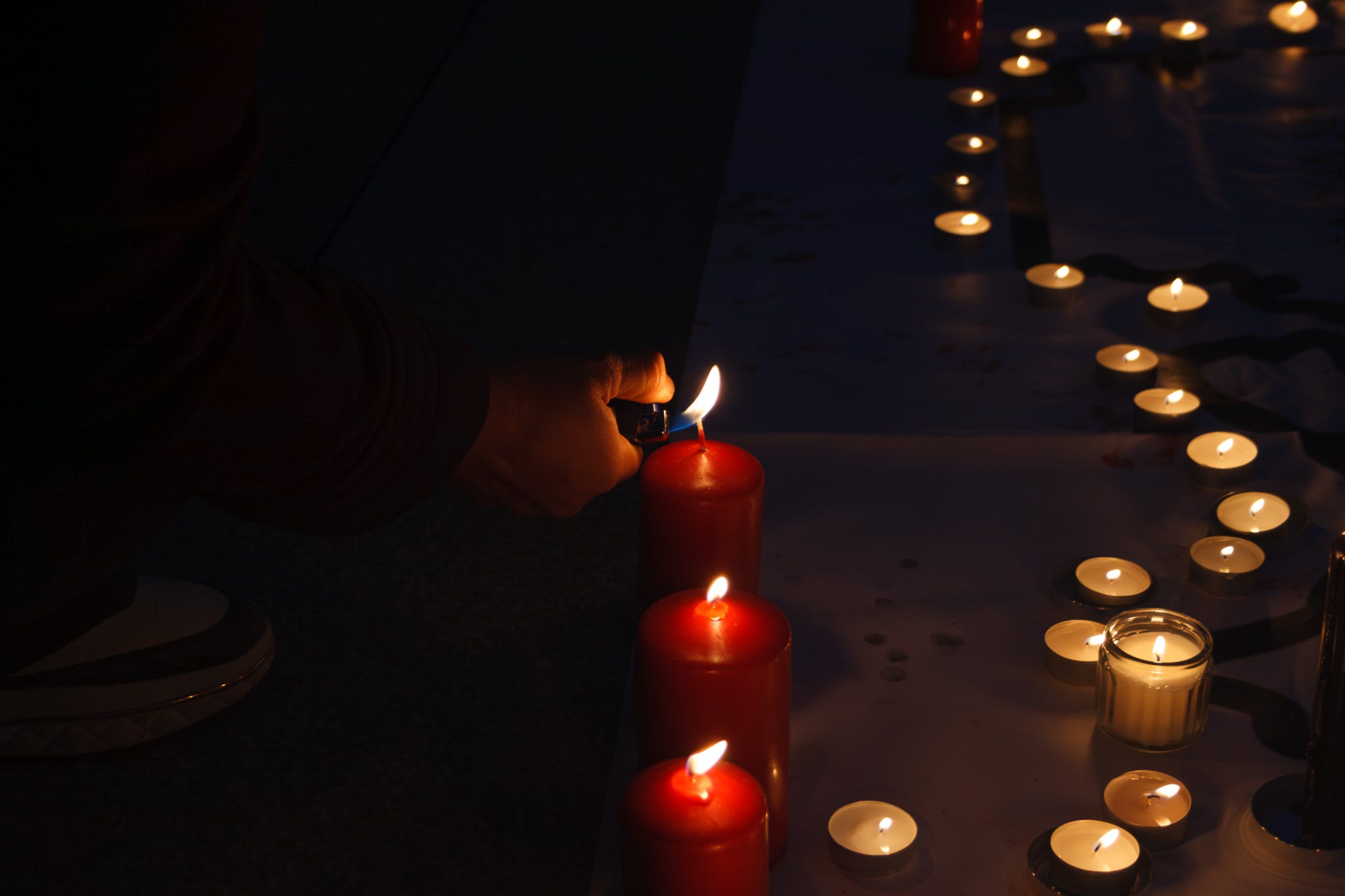
L’idea non era dimostrare che si può ancora lavorare “bene” con un corpo vecchio, ma trasformare proprio quei limiti in un esercizio completo, tecnico, compositivo e narrativo. Tecnicamente, il vincolo era chiaro, sfruttare le candele come unica vera fonte di luce significativa, bilanciare tempi e diaframma in modo da salvare il respiro della scena senza cadere nel mosso incontrollato. Compositivamente, significava cercare linee e ritmi dentro un disordine umano, il perimetro di luci che disegna i confini di un paese, le mani che entrano e escono dal quadro per accendere, sistemare, proteggere le fiamme dal vento, la bandiera che si staglia improvvisa davanti alla facciata in marmo.
ENG
The idea was not to prove that you can still work “well” with an old body, but to turn those very limits into a complete exercise, technical, compositional and narrative. Technically, the constraint was clear, use the candles as the only truly meaningful light source, balance shutter speed and aperture to preserve the breath of the scene without falling into uncontrolled blur. Compositionally, it meant searching for lines and rhythm within human disorder: the perimeter of lights tracing a country’s borders, hands entering and leaving the frame to light, adjust, protect the flames from the wind, the flag suddenly cutting across the marble façade.
Narrativamente, però, l’esercizio era forse ancora più impegnativo, una veglia è fatta di silenzi, di sguardi bassi, di parole che non si sentono da lontano, non è uno di quegli eventi dove l’azione si impone da sé. Con una fotocamera moderna, piena di automatismi, avrei potuto concentrarmi solo sull’attimo ma con la 30D sono stato costretto a restare più a lungo in ogni singola scena, ad ascoltarla e pensarla prima di fotografarla. Il tempo che serve alla macchina per mettere a fuoco diventa anche il tempo che serve a me per capire se quell’inquadratura ha senso, se quel gesto dice qualcosa di più della semplice cronaca.
ENG
Narratively, though, the exercise was perhaps even more demanding., a vigil is made of silences, lowered gazes, words you cannot hear from a distance. It is not one of those events where action forces its way into the frame, with a modern, fully automated camera I could have focused only on the moment but with the 30D I was forced to stay longer in each scene, to listen to it and think about it before photographing it. The time the camera needs to focus becomes the time I need to understand whether that frame makes sense, whether that gesture says more than simple reportage.
In un’epoca in cui sembra quasi obbligatorio rincorrere il modello più recente, con numeri sempre più alti e promesse di immagini perfette anche nel buio totale, portare una vecchia reflex è stata una scelta deliberata. Non perché “basti” qualsiasi cosa, ma perché volevo ricordarmi, e ricordare a chi guarderà queste foto, che la fotografia non inizia né finisce con la scheda tecnica. La 30D, con i suoi limiti, mi ha costretto a fare proprio quello che spesso demandiamo alla tecnologia: osservare di più, prevedere, accettare che alcune immagini non esisteranno mai perché non c’erano le condizioni per farle.
ENG
In an age where chasing the latest model feels almost mandatory, with ever higher numbers and promises of perfect images in total darkness, bringing an old DSLR was a deliberate choice. Not because “anything will do”, but because I wanted to remind myself, and whoever will look at these pictures, that photography neither begins nor ends with the spec sheet. The 30D, with all its limitations, forced me to do what we often delegate to technology: observe more, anticipate, accept that some images will never exist because the conditions were not there.
Paradossalmente, è in quelle immagini mancate che sta il senso dell’esperimento. Ogni foto che esiste è passata attraverso una serie di rinunce, un volto rimasto nell’ombra pur di non bruciare le candele, un dettaglio di architettura sacrificato per salvare un gesto, un’esposizione costruita attorno a una sola fiamma. Non è un esercizio di nostalgia, né un elogio del “si stava meglio quando si stava peggio”. È, piuttosto, un invito a riconsiderare il peso che diamo agli strumenti. Non serve spendere migliaia di euro per essere autorizzati a raccontare una storia, servono attenzione, responsabilità verso ciò che succede davanti all’obiettivo, e la disponibilità a farsi attraversare emotivamente da ciò che si sta fotografando.
ENG
Paradoxically, the meaning of the experiment lies in those missed images. Every photograph that does exist has passed through a chain of renunciations, a face left in shadow to avoid burning out the candles, an architectural detail sacrificed to save a gesture, an exposure built around a single flame. It is not an exercise in nostalgia, nor a tribute to the idea that “things were better back then”. It is, rather, an invitation to reconsider how much weight we give to our gear. You do not need to spend thousands of euros to be entitled to tell a story, you need attention, responsibility towards what is happening in front of the lens, and the willingness to be emotionally affected by what you are photographing.
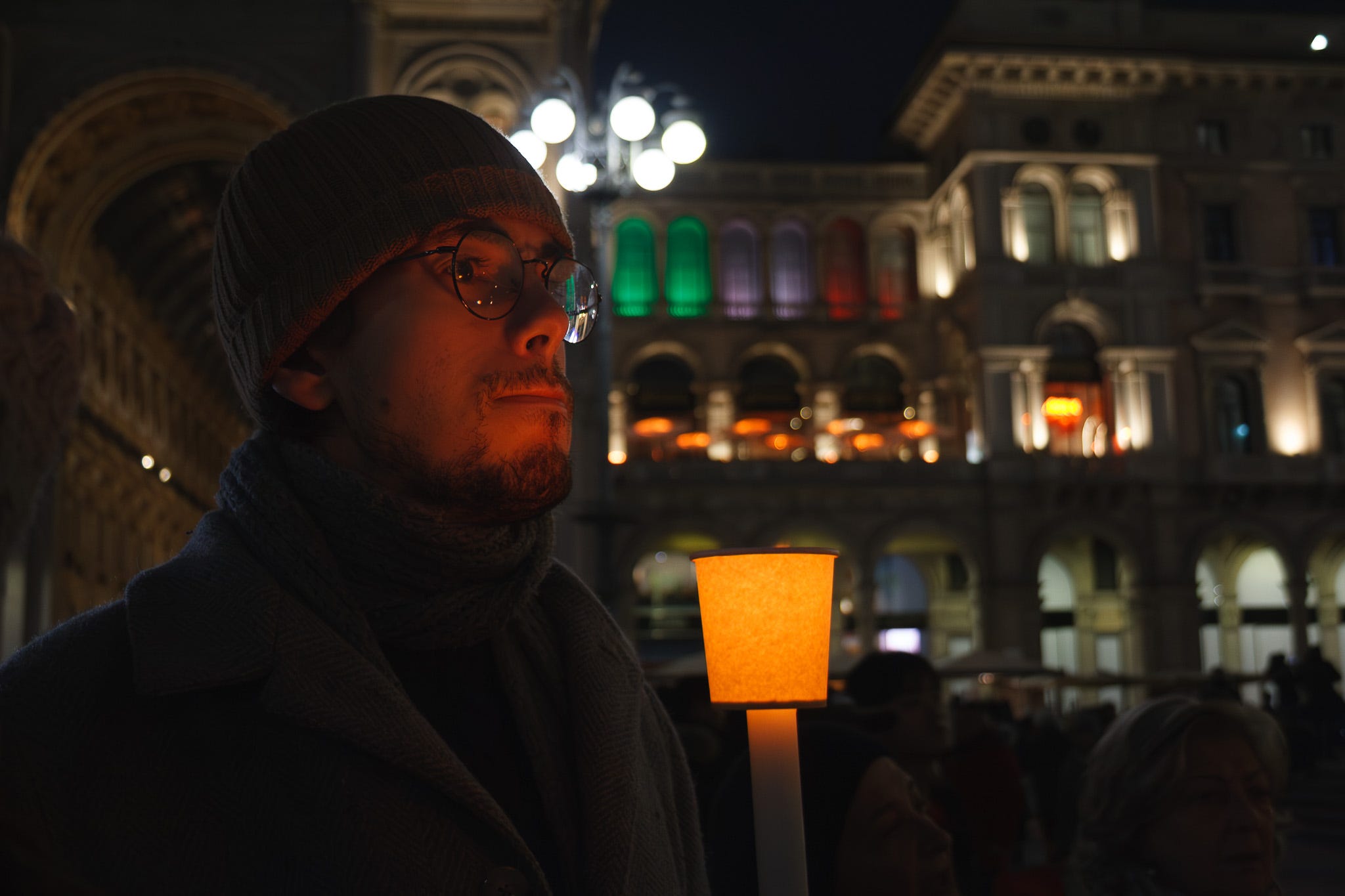
Le immagini di quella sera, messe in fila, sono pensate come una piccola traiettoria dentro la piazza. Si parte dall’alto, dal tappeto di candele che disegna il contorno di un paese lontano, per poi scendere sempre più vicino: le persone che lo circondano, i volti appena accennati alla luce dei lumini, le mani che accendono, sistemano, proteggono, la bandiera che si sovrappone al Duomo e riempie il cielo scuro. La sequenza non è solo un modo per “far vedere” l’evento a chi non c’era; è il tentativo di restituire la sensazione di essere stati in mezzo a quel cerchio di luce fragile, con una macchina fotografica che non perdona le distrazioni ma che, proprio per questo, ti costringe a stare davvero lì.
ENG
The images from that night, placed one after another, are meant as a small path through the square. It starts from above, from the carpet of candles outlining a distant country, then moves closer: the people around it, faces barely hinted at by candlelight, hands lighting, adjusting, guarding, the flag overlapping the Duomo and filling the dark sky. The sequence is not just a way to “show” the event to those who were not there; it is an attempt to convey the feeling of standing inside that fragile circle of light, with a camera that does not forgive distractions and therefore forces you to truly be present.
Se c’è una cosa che porto a casa da questo esperimento è che la tecnologia può ampliare le possibilità, ma non sostituisce lo sguardo. Una fotocamera vecchia di vent’anni non è un ostacolo insormontabile, è un promemoria, ti ricorda che la fotografia è, prima di tutto, una questione di scelte, cosa includere, cosa lasciare fuori, dove posare gli occhi e in che ordine. E che, soprattutto in serate come questa, l’urgenza non è mostrare di cosa è capace la macchina, ma restare all’altezza di ciò che stanno vivendo le persone davanti a te.
ENG
If there is one thing I take home from this experiment, it is that technology can expand possibilities but cannot replace your gaze. A twenty-year-old camera is not an insurmountable obstacle; it is a reminder. It reminds you that photography is, above all, a matter of choices: what to include, what to leave out, where to place your eyes and in which order. And that, especially on nights like this, the urgency is not to show what the camera can do, but to stay worthy of what the people in front of you are living through.
Nice shots and interesting thoughts!
The longer I photograph, the more I realize that old gear can be better. Not because it works better, but because the restrictions make us better. For instance, staying with a certain dynamic range in many cases makes for a better photograph.
Modern sensors tempt us to make everything look "smartphone HDR" and make nightscenes too bright. Your candle spot focus image works really well. I don't think it would work that well if everything were visible.
Lenses are similar. I accumulate more and more vintage lenses, because the modern ones are too sharp ... and because lens-obsessed.
Mi sono trovato in una situazione simile (ai tempi delle Sardine a Pisa) e la mia Nikon D3100 aveva purtroppo i suoi limiti. Come hai fatto tu, mi sono adattato e concentrato su quei soggetti che pensavi stessero più fermi possibile. Ma in una situazione del genere, con tutto quel movimento di gente era abbastanza improbabile risolvere. Ma a volte sì, bisogna adattarsi e cercare di fare del proprio meglio. Se dovessi farlo per lavoro, ovviamente si ricade sulla solita conclusione. Ma farlo con i mezzi che abbiamo (e non necessariamente iper capaci) ci aiuta a capire tanti aspetti sul lato tecnico. Cosa che ci può tornare utile per capire anche le macchine più avanzate (specie quando si comportano come non ci aspettiamo!). Tutto fa esperienza!